
I get that question every day: “What do you think of creatine?” It’s everywhere right now. Probably the biggest thing in training and supplements.
And if you know me, you already know my opinion. I’m not a supplement person. I have always believed in building a strong, healthy body through real food first, balanced meals, quality ingredients, and consistency. That’s the foundation. I have also always been a bit skeptical of the supplement industry. Factories are not always tightly controlled, labels are not always reliable, and there are often fillers or ingredients you don’t fully understand. To me, a lot of it feels like a marketing trap, unless you have a real deficiency and your doctor prescribes something specific. I work hard to keep my body healthy, so I’m not casually putting “chemical stuff” into it.
But this time, I made an exception.
Creatine kept coming up. Clients, conversations, research.. everywhere. At some point, I felt like I could not keep answering the question without actually trying it myself. And there is also a reality people do not talk about enough: to get the same effect as creatine supplementation (around 3–5g daily) through food, you would need to eat a lot of red meat or fish every single day (steak, salmon, herring, pork). Large quantities. And even then, cooking reduces the creatine content.
At the same time, I train consistently. Heavy lifting three times a week, plus cardio and Pilates. I track my nutrition, aim for around 120g of protein (even if I don’t always hit it), and still… I felt stuck. My performance plateaued. So I got curious and I decided: if I’m going to talk about it, I need to test it.
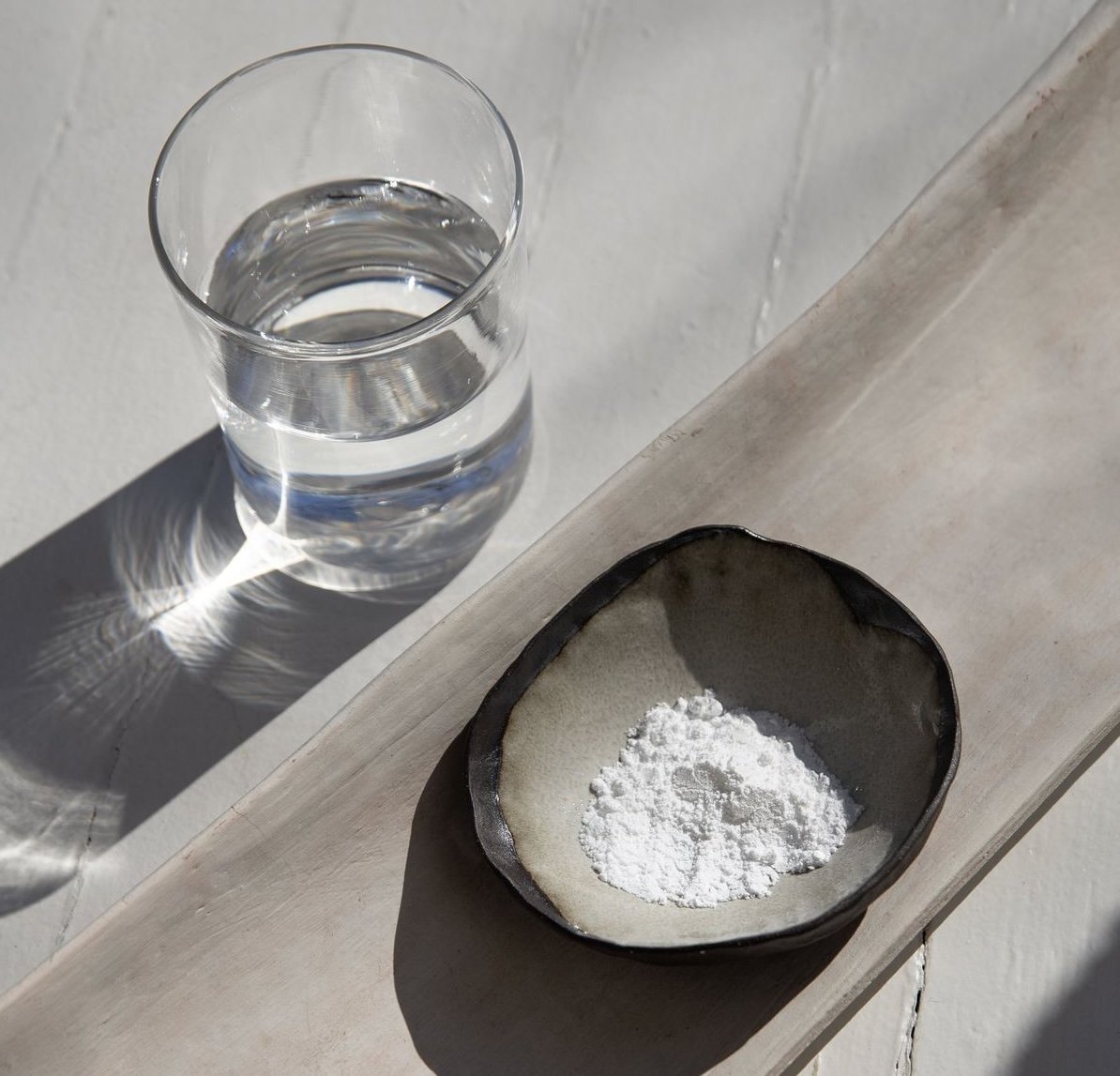
Creatine works by increasing your body’s ability to produce quick energy. It is stored in your muscles as phosphocreatine, which helps regenerate ATP, the main energy source your body uses during short and intense efforts like strength training. More available energy means you can push a little harder, lift a little heavier, and recover better between sets. Over time, that’s what supports better performance, strength gains, and lean muscle development.
I started creatine for three months (October, November, December). Then I stopped when we traveled to Asia. And honestly, at the time I thought: “I don’t really see anything crazy.” But looking back, something was happening. My sets felt a little stronger. I could push slightly more. Nothing dramatic, but enough to notice. The problem is, it’s so hard to know what is causing what. Your body is not a controlled experiment. Sleep, stress, hormones, hydration, mood… everything plays a role. So I left it at that.
Fast forward to January. I go back to training after the trip. Week one was humbling. Week two, I was sore everywhere. Back to square one. So I restarted creatine. And this time, it was very clear: I felt less muscle fatigue. I had more endurance in my sets and muscle failure came later. For the first time in a while, I could actually see muscle coming in.
I even did a DEXA scan recently to check my body composition. The result: +4 lbs of lean mass in 8 months. That’s not just visual. That’s metabolism and strength plus long-term health. I also noticed small things: better mental clarity, slightly better sleep. Nothing extreme, but enough to feel.
Now let’s address the “puffy” thing. Yes, at the beginning I looked a bit fuller, slightly puffier. That’s because creatine pulls water into your muscles, not under your skin. It’s actually part of how it works. For me, that effect balanced out after a few weeks.

So what does the real science say? This is why creatine is everywhere right now. Research consistently shows that it improves strength and power, increases training performance, supports lean muscle gain, helps with recovery, and may even support brain function. It’s also one of the most studied supplements out there.
Now, I’m not a doctor. I’m not here to tell you to take anything. But if you train consistently, push yourself, and feel like your progress is stuck, I do think creatine is worth trying.
If you do, keep it simple. It has to be creatine monohydrate. That’s the most effective, the most researched, and the safest. Because supplements are loosely regulated, look for third-party testing like NSF Certified for Sport, Informed Choice, or USP. Personally, I use Transparent Labs Creatine HMB, and I also like Thorne Creatine, it’s very clean and athlete-grade. Avoid gummies. The heating process can destroy creatine, and many don’t even contain what they claim (plus added sugar).
How I take it is simple: 5g daily, every day, even on rest days. Usually in my water after my workout. Some research suggests taking it post-workout with protein and carbs might help, but honestly, consistency matters more than timing. One thing I learned quickly: drink more water. Creatine brings more water into your muscles, so staying well hydrated helps support performance and prevents dehydration.
You will also hear about a “loading phase” (20–25g per day for a week). I have not done it as I prefer a more balanced approach.
At the end of the day, creatine is not magic. It will not replace good training. It will certainly not fix bad nutrition but it can support your work.
As always, talk to your doctor before starting anything new.
-Cleo